Amanah Learning
Madrasah
At Amanah Madrasah, we provide children with a structured and meaningful Islamic education that nurtures both knowledge and character.
Our curriculum covers Qur’an, Tajwīd and Recitation, Ḥifdh, Arabic, ʿAqīdah (Īmān), Fiqh, and Tarbiyah through stories and akhlāq.
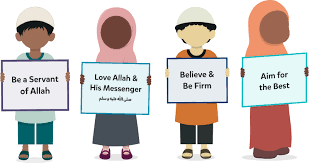
We believe learning Islam should be done properly — with understanding, practice, and sincerity. Our aim is not only to equip students with knowledge, but to instil in them a confident Islamic identity, rooted in kindness, honesty, and good manners.
Sanatayn
Our Sanatayn Programme is designed for men in the community who wish to reconnect with their faith while balancing the responsibilities of work and family life.
The two-year structured course introduces key Islamic sciences including Qur’an, Tafsīr, Fiqh, ʿAqīdah, and Hadīth in a way that is clear, practical, and relevant to daily life.
With flexible scheduling and accessible teaching, we aim to open the doors of knowledge for every brother who wishes to deepen his understanding of Islam.
Subjects
Īmān
Students learn the essentials of Islamic belief — the pillars of faith, Allah’s attributes, and understanding key concepts that strengthen identity and spiritual awareness.
Qur’an, Tajwīd and Recitation
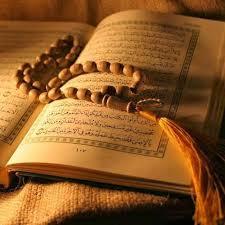
Students develop a love for the Qur’an by learning correct pronunciation, tajwīd rules, and fluent recitation, building both confidence and connection to Allah’s words.
Ḥifdh (Memorisation)
Children gradually memorise selected sūrahs and duʿās, strengthening memory and discipline while fostering a strong spiritual connection to the Qur’an.
Arabic Language
Foundational Arabic is taught through reading, writing, and speaking exercises, helping students understand Qur’anic vocabulary and gain access to classical Islamic texts.

Fiqh
Practical Islamic rulings are studied, covering topics like wudūʾ, ṣalāh, fasting, and daily worship, so students can practise their religion correctly and confidently.

Tarbiyah (Stories & Akhlāq)
Through stories of prophets, companions, and Islamic role models, students learn lessons of character, manners, and values that shape their personal development and everyday conduct.